Skip to main content
By Appointment to
Her Majesty The Queen
Grocer and Wine & Spirit Merchants
Waitrose Limited, Bracknell 
By Appointment to
His Royal Highness The Prince of Wales
Grocer and Wine & Spirit Merchants
Waitrose Limited, Bracknell 
Make something GOOD
Her Majesty The Queen
Grocer and Wine & Spirit Merchants
Waitrose Limited, Bracknell
His Royal Highness The Prince of Wales
Grocer and Wine & Spirit Merchants
Waitrose Limited, Bracknell
Visit Waitrose.com


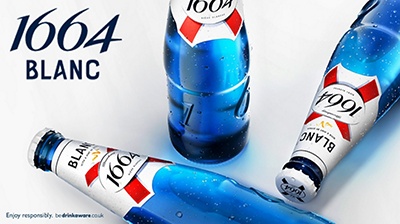
Kick back, relax...
And crack open a 1664 Blanc – smooth, cloudy wheat beer with a refreshing citrus twist.
Make something GOOD

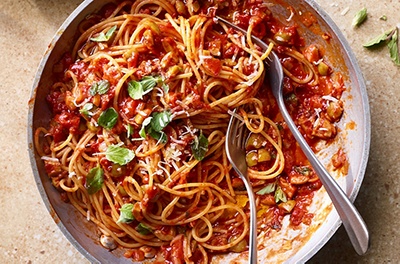
Dinner, done!
Dish up delicious spaghetti, lasagne or pasta bakes.

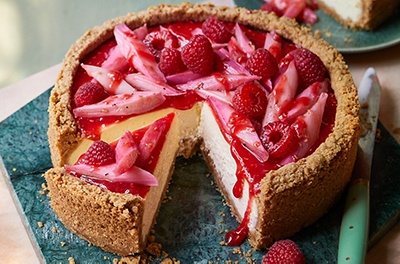
Pretty in pink
Top a cheesecake with glorious seasonal rhubarb – it’s a real celebration of spring.


Make something GOOD
Dinner, done!
Dish up delicious spaghetti, lasagne or pasta bakes.
Pretty in pink
Top a cheesecake with glorious seasonal rhubarb – it’s a real celebration of spring.


