How can I lose weight?
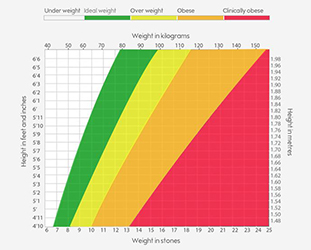
If you're overweight or obese, you should see your doctor before going on a diet. A doctor can rule out any underlying medical causes and, if necessary, refer you to a specialist.
Look at the food you eat and the amount of physical activity you do. Many 'quick-fix' diets claim to help you lose weight, but these are unlikely to work in the long term unless you also make fundamental lifestyle changes. You need to balance a healthy diet with a reasonable amount of physical activity. Choosing healthier foods, cutting down on fat and sugar, eating smaller portions and taking more exercise will all help you achieve and maintain your ideal weight.
When reducing your weight, aim to lose no more than 0.5-1kg (1-2lb) a week. This is equivalent to cutting out around 500-1,000 calories a day, depending on your level of activity. It's easier to keep weight off if it's lost gradually. This also gives your body time to adjust to new eating habits.
Back to top
Exercise regularly
Just 30 minutes of moderate activity each day, including gardening, brisk walking and housework, can make a difference. Aim to use a little more energy than usual. This doesn't just help you to control your weight, it also helps to tone your muscles, boost energy levels and reduce stress.
Back to top
Eat more healthily
Here are some ideas to help you eat more healthily:
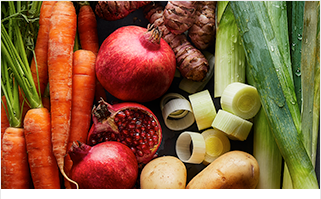
- Eat plenty of fresh vegetables and fruit - at least five portions a day.
- Use semi-skimmed or skimmed milk instead of full fat milk, or drink non-dairy alternatives.
- Eat lots of filling fibre-rich and starchy foods, such as brown rice, wholemeal pasta and potatoes.
- Cut back on butter and spreads, and replace cream with low fat or fat free yogurt, or try fat free fromage frais.
- Use small amounts of strongly flavoured cheese rather than larger amounts of milder cheese. Grate it to make it go further.
- Chicken and turkey are also low in fat, especially if you remove the skin.
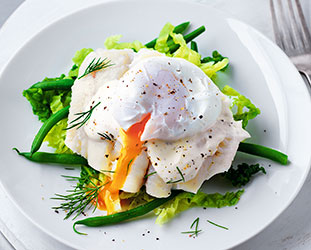
- Grill, steam, microwave or poach rather than fry. Use non-stick pans and add oil to pans using a spray to cut down on the amount you use.
- Choose half- or reduced-fat versions of your everyday favourites.
Back to top
Take a sensible approach
Simply reducing the size of servings will cut down your calorie intake.
Eat regular meals and don't skip any, especially breakfast. This will keep blood glucose levels constant, so you won't be tempted by unhealthy snacks.
Don't ban foods, but restrict those that are unhelpful such as chocolate or crisps. Look for lower fat treats, such as exotic fruits.
Cut back on alcohol. Stay well within the recommended safe limits (2-3 units of alcohol a day for women and 3-4 units a day for men).
Back to top
Follow us on ...