Save to your scrapbook
Caramel
This will be saved to your scrapbook
You can also add it to one of your existing cookbooks
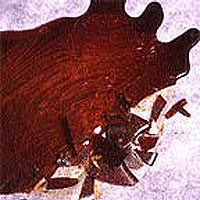
Transforming sugar crystals into aromatic liquid gold needn't be a sticky business, writes Eva King, whose simple step-by-step guide promises perfect results, every time. Caramel is sugar that's been melted then cooked into a thick, golden liquid. The longer it cooks, the deeper its colour and flavour. It's delicious in desserts such as crème caramel, and a versatile way to decorate puddings. It is also the key component in praline and essential in toffee apples.

Makes: approx 150ml
There are two methods for making caramel: wet (with water), which is easier; or dry (without water), which involves melting the sugar directly in the pan, and calls for careful temperature control.
Caster sugar is ideal for making caramel as it dissolves quickly and easily, although you could use granulated if you want.
You need to work swiftly when making caramel because it sets quickly. If it starts to harden before you've finished using it, gently reheat in the saucepan until it is warm.
To clean a caramel-sticky saucepan, add water to the pan and place over a low heat until the caramel dissolves.
Once set, caramel should be wrapped and/or stored in an airtight container or it will become sticky. Properly stored, it will keep well for 1-2 weeks.
To make praline, add 200g blanched, toasted almonds to the caramel (no need to cool the pan in water - the nuts will stop the cooking). Pour on to an oiled sheet to harden. Chop (finely or coarsely) and use in ice creams or as dessert topping. Try making nut brittles in the same way, with pecans or hazelnuts.
To make 300ml caramel sauce, remove the caramel from the heat when it has turned a deep gold and add 150ml double cream (it will spit and splutter). Stir till smooth, adding 2 tbsp rum if you like. Store in the fridge for up to a week.
Take care: Hot sugar can cause bad burns. Pay attention to the syrup as it caramelises. It can soon overcook, giving a burnt, bitter-tasting result.

This recipe was first published in Mon Mar 01 00:00:00 GMT 2004.
Average user rating