Skip to navigation Skip to content

Waitrose

Zoomer icon

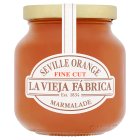
Seville Orange Marmalade

Back


Seville Orange Marmalade

With their refreshing, sharp flavour, Seville oranges make great marmalade. Also, unlike sweet oranges, their pith becomes transparent and glistening when cooked with sugar, resulting in a bright, sparkling preserve. Make sure you use a suitable preserving sugar. The season for Seville oranges is short, usually lasting only a few weeks in January. So it is worth making a batch of marmalade now to enjoy the flavour throughout the year. Cut the peel as thickly or thinly as you prefer, according to taste. This task should not be rushed and is one of the pleasures of making marmalade.

  • Vegetarian

Ingredients

  • 1kg Seville oranges
  • 1 unwaxed lemon
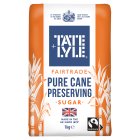
  • 2kg Tate & Lyle Preserving Sugar

Method

  1. Wash the oranges and lemon thoroughly, then dry them in a clean tea towel. Pour 2 litres cold water into a large, wide pan or preserving pan. Squeeze the oranges and lemon and add the juice to the water. Reserve the pips and orange rind, but discard the squeezed lemon.
  2. Cut the oranges in half again and, using a metal spoon, scrape the pith and pips into the centre of a large square of muslin. Tie the muslin with kitchen string to form a bag. Add to the pan and tie the ends of the string to the pan handle to make it easier to remove later.
  3. Cut the orange peel into strips - chunky for coarse cut and thinner for a fine shred. It is easier and quicker if you place 2 pieces on top of each other and slice with a sharp knife. Add to the pan and bring to the boil, then reduce the heat and simmer, uncovered, for 2 hours, until the peel is very soft and the liquid reduced by about half. Remove and discard the bag with the pips and pith, squeezing as much juice as possible back into the pan with the back of a wooden spoon.
  4. Add the sugar and stir over a low heat until it has dissolved. Increase the heat and boil rapidly until it reaches setting point. This usually takes about 15 minutes. To test, remove the pan from the heat and spoon a little marmalade onto a chilled saucer. Allow to cool for a few seconds, then push with a finger. If the surface wrinkles it is ready. If not, boil for a further 5 minutes and test again. Leave the marmalade to settle for 15 minutes, then skim off any scum from the surface with a slotted spoon. Stir the mixture and pour into warm, clean jars, using a jug. Place a waxed disk on top immediately. Cover when cold, then label and date.
  5. Cook's Tips
  6. Choose the Right Pan Use a large, wide pan to make marmalade. The mixture should not come any higher than half way up the sides. A wide pan helps the liquid to evaporate more quickly and reduces the likelihood of the marmalade boiling over.
  7. Prepare the Jars At the end of paragraph 3 of the instructions, prepare the jars. Preheat the oven to 160°C, gas mark 3. Ensure the jars are clean and free from cracks and chips. Place the jars on their sides in the oven for 10 minutes, then turn the oven off leaving the jars inside until the marmalade is ready to pot.
  8. Use Preserving Sugar Preserving sugar has larger crystals which dissolve slowly. This minimises scum and results in a bright, clear marmalade.
  9. Ensure a Good Set Much of the pectin which makes marmalade set is found in the pips and pith. This is why it is wrapped in a muslin bag and boiled with the marmalade so that as much pectin as possible is extracted to ensure a good set.
  10. Vary the Flavour For a touch of spice, add 3 tbsp grated, fresh root ginger at the beginning of the cooking. To make a darker, rich marmalade replace 100g of the sugar with dark muscovado sugar. Make your marmalade extra special by stirring in 75ml whisky just before potting.
  11. Where to Store Marmalade Store in a cool, dry place, away from direct light which will fade the colour. The marmalade will keep for up to one year.
  12. This recipe was first published on Waitrose.com in January 2003.

Cook's tips

Choose the Right Pan
Use a large, wide pan to make marmalade. The mixture should not come any higher than half way up the sides. A wide pan helps the liquid to evaporate more quickly and reduces the likelihood of the marmalade boiling over.

Prepare the Jars
At the end of paragraph 3 of the instructions, prepare the jars. Preheat the oven to 160°C, gas mark 3. Ensure the jars are clean and free from cracks and chips. Place the jars on their sides in the oven for 10 minutes, then turn the oven off leaving the jars inside until the marmalade is ready to pot.

Use Preserving Sugar
Preserving sugar has larger crystals which dissolve slowly. This minimises scum and results in a bright, clear marmalade.

Ensure a Good Set
Much of the pectin which makes marmalade set is found in the pips and pith. This is why it is wrapped in a muslin bag and boiled with the marmalade so that as much pectin as possible is extracted to ensure a good set.

Vary the Flavour
For a touch of spice, add 3 tbsp grated, fresh root ginger at the beginning of the cooking. To make a darker, rich marmalade replace 100g of the sugar with dark muscovado sugar. Make your marmalade extra special by stirring in 75ml whisky just before potting.

Where to Store Marmalade
Store in a cool, dry place, away from direct light which will fade the colour. The marmalade will keep for up to one year.

Kitchen tools

Tea towel
Heatproof measuring jug
Large, wide pan or preserving pan
Sharp knife
Juicer
Metal spoon
Large square of muslin
Kitchen string
Large wooden spoon
4 saucers placed in the freezer
Slotted spoon
6-7 clean jars with lids, approximately 450g each
1 pack Safewrap Jam Pot Covers

Comments and images

Average user rating 5 stars out of 5

Add your comment and share your thoughts and pictures with others.

No comments have yet been made

Delete comment

Are you sure you want to delete this comment?

Cancel

5 stars out of 5

Average user rating Based on 27 ratings

Thank you for rating this recipe. If you'd like to comment further on this recipe you can do so in the Customer comment & images section on the bottom of the page.

  • 1
  • 2
  • 3
  • 4
  • 5

Click to rate this recipe


This recipe was first published on Waitrose.com in January 2003