Vinegar


Elisabeth Luard celebrates the potions, both piquant and mellow, that bring the best out of a wide range of foods.

Don't think sour; think spicy and subtle. Imagine aromas of vanilla and cinnamon. Think of bergamot and blackberry, of citrus and allspice, of chocolate and chestnut. And if this doesn't sound like vinegar, think again.

Think of cider vinegars that have been aged in the barrel, of golden sherry vinegar from the breezy cellars of Jerez, of jasmine-scented rice wine vinegar from the land of green tea and cherry blossom. Think, above all, of the great grape-must vinegars of Modena, the balsamics - not really vinegars at all, but the distilled essence of Mediterranean sunshine.

Vinegar is a catalyst, a taste-bud teaser, a way of getting the gastric juices going. There is good reason to eat your chips with vinegar: acetic acid not only stimulates the palate but also, say the chemists, makes fried foods more digestible. Victorian housewives bottled it with honey to soothe sore throats and diluted it with water to calm upset stomachs. And, in the heat of a Mediterranean summer, people still quench their thirst with a cool draught of well water sharpened with vinegar.

But if you're after something special with which to dress a salad, take note that the difference between two vinegars can be as great as that between a Bulgarian country wine and a vintage Bordeaux. The manufacturing process is as old as wine-making itself. When exposed to air, fermented liquid will attract the attention of tiny, airborne bacteria. These appear as a veil that spreads over the liquid's surface, and develop into a gelatinous cluster of cells called 'the vinegar mother'. By oxidising the alcohol in to acetic acid, mother's role is to turn good wine to good vinegar, and poor wine to, well, something that'll strip the enamel off your teeth. This continues as long as the lady is supplied with food and oxygen; in a few months, she'll have mushroomed into something quite scary. Once it's ready to be bottled, the vinegar is pasteurised to halt bacterial action.

The balsamics of Modena, the oldest (and dearest) of which contain vinegars that have been circulating through barrels for more than a century, differ from other grape vinegars in that they're made not with fermented liquor but with cooked mosto, newly pressed, unfermented grape juice (mostly from Tuscan Trebbiano grapes). Ageing is by the solera system, as for sherry. Each year's vinegar is blended into older stocks, which are stored in barrels in warm attics to allow concentration by evaporation. As the blend matures, it's moved into smaller barrels of five different woods (typically, oak, chestnut, cherry, juniper and mulberry), until the mild, fragrant, almost syrupy liquid is judged ready for bottling.

There was a time when aged balsamics were never sold but could only be had as gifts: a bride's worth was assessed on how many barrels came with her dowry. The vinegar-makers of Modena recommend their younger brews (the eight- to ten-year-olds) for salads and in gravies for grilled meats, while the older vinegars (15-20 years or more) are best with shavings of Parmesan, or as a dressing for gravadlax or tuna carpaccio. The ladies of Modena, however, prefer taking their older balsamico in traditional style, straight from the glass as a digestif after having dined too well on veal with cream, while their menfolk take it as a restorative for, well, let's just call it an inability to deliver what was promised from the back of a passing Vespa.

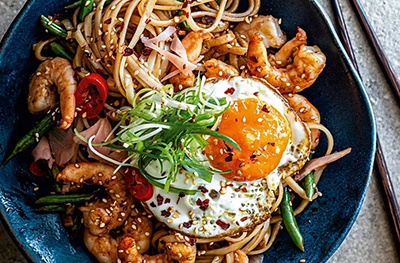
The Oriental grain or rice vinegars serve the same culinary and digestive purpose as their Occidental counterparts, but do it more mildly and sweetly. The black or aged vinegars, of which the most prized is the sharp, salty, almost treacly shanxi, are placed on the table as seasonings. White or clear rice vinegars are used in sweet-sour dishes (particularly with fish) and for dressing rice or noodle salads; for extra-fluffy white rice, add a drop or two to the cooking water.

Vinegars have a depth and complexity that comes from the base-liquor. As with wine, the difference is in subtlety of flavour and scent, balance of acidity, clarity of colour. Unlike wine, however, vinegar accepts the character of other flavourings. Just pop your herbs, berries or spices in the bottle and wait a week.

Good vinegar isn't cheap but, as with so many of life's finest things, a little goes a long way. It's as a condiment, a flavour enhancer, that it comes into its own. Buy a small flask of whatever you fancy, and use it to add sparkle to your cooking: sprinkle a little sherry vinegar or balsamic over a burger or toasted cheese, or stir a few drops into a pasta sauce. But treat it with respect, not reverence. What good's a genie if it's never let out of the bottle?

Get tasting

If you want to taste cider or sherry vinegar, pour into a tiny glass, warm it in your palm, sniff and sip. For aged balsamics, drop a little on the back of your hand, pick up the aroma first, then touch it with your tongue. Bread (but not sourdough) is a suitable palate-cleanser.

  • Cider vinegar may be as English as fish and chips (with which it tastes great) but it's also as American as apple pie. US cider vinegar recipes include barbecue sauce, vinegar taffy and vinegar pie (the vinegar replaces the citrus juice in a lemon curd pie filling).
    Try: Aspall's Organic Cyder Vinegar (£1.49/500ml) Light, fresh and fruity with a distinctly appley aftertaste, this is a great pickle vinegar, unpasteurised and preservative-free.
  • Sherry vinegar is powerful stuff. It packs twice the punch of a wine vinegar. It's great with chunked tomatoes or on a white bean salad, and also holds its own in a mustardy vinaigrette: simply whisk 1 tbsp vinegar with 1 tsp Dijon mustard, 5 tbsp extra virgin olive oil and a pinch of sea salt. For a refreshing tonic, add a drop to a glass of iced water.
    Try: El Majuelo Macetilla Sherry Vinegar (£3.95/250ml) Delicate and bittersweet, this has flavours of caramel and vanilla and a surprisingly mild aftertaste. Aged in oak barrels in Jerez, its DOC (denomination of origin) label guarantees authenticity.
  • Balsamic vinegar adds depth to a stew, punch to a pan gravy, and a meaty kick to vegetarian dishes. Medicinally, it aids digestion, soothes a sore throat, and works wonders for a cold. It's brilliant on strawberries and adds spice to an exotic fruit salad of banana, pineapple, mango and papaya.
    Try: Antica Modena Vecchia Motta (£13.90/250ml) Chewy and dark, almost black, this is very gentle. It has flavours of chocolate and quince with a soft, rather appley aftertaste. This is a top-quality balsamic, rated Four-Vineleaf (the highest grade) by Modena's governing body.
    Try: Acetum Balsamic Vinegar of Modena (£4.95/250ml) Dark, syrupy, spicy, mature, this has sweet-sour notes in perfect balance, and flavours of liquorice and chocolate. Another very special balsamic, again with a Four-Vineleaf rating.


Sitemap


Contact us | Security and privacy | Jobs This link opens in a new window | Corporate | Our company | Accessibility